handoff workflow
WhatsApp Handoff Automation
WhatsApp Handoff Automation should solve one concrete problem: messages get answered quickly at first, then stall because nobody owns the next step or the AI keeps talking after the buyer needs a human. It is designed for sales, support, and operations teams that start conversations in WhatsApp but need a person to take over at the right moment, with clear rules for what the workflow captures, when people take over, and how success is measured.
Recommended path
Connect this need to the right system
Compare the related workflows, services, and examples to choose the most useful next step.
Worked example
Transfer responsibility with the conversation
Illustrative workflow to review with your team; not a client result.
From request to action
- TriggerThe customer asks for a person or the request exceeds the approved flow.
- Required informationPrepare the transcript or concise summary, the customer's question, captured fields and the reason automation is handing over.
- Rule and ownerAssign a person or queue and pause automated replies. If nobody is available, provide the approved expectation and retain the unresolved task.
Example record
Handoff: trigger; summary; assigned owner; bot paused; staff reply pending; customer informed; closure state.
A transfer is not complete until responsibility is accepted or a visible fallback owns the task.
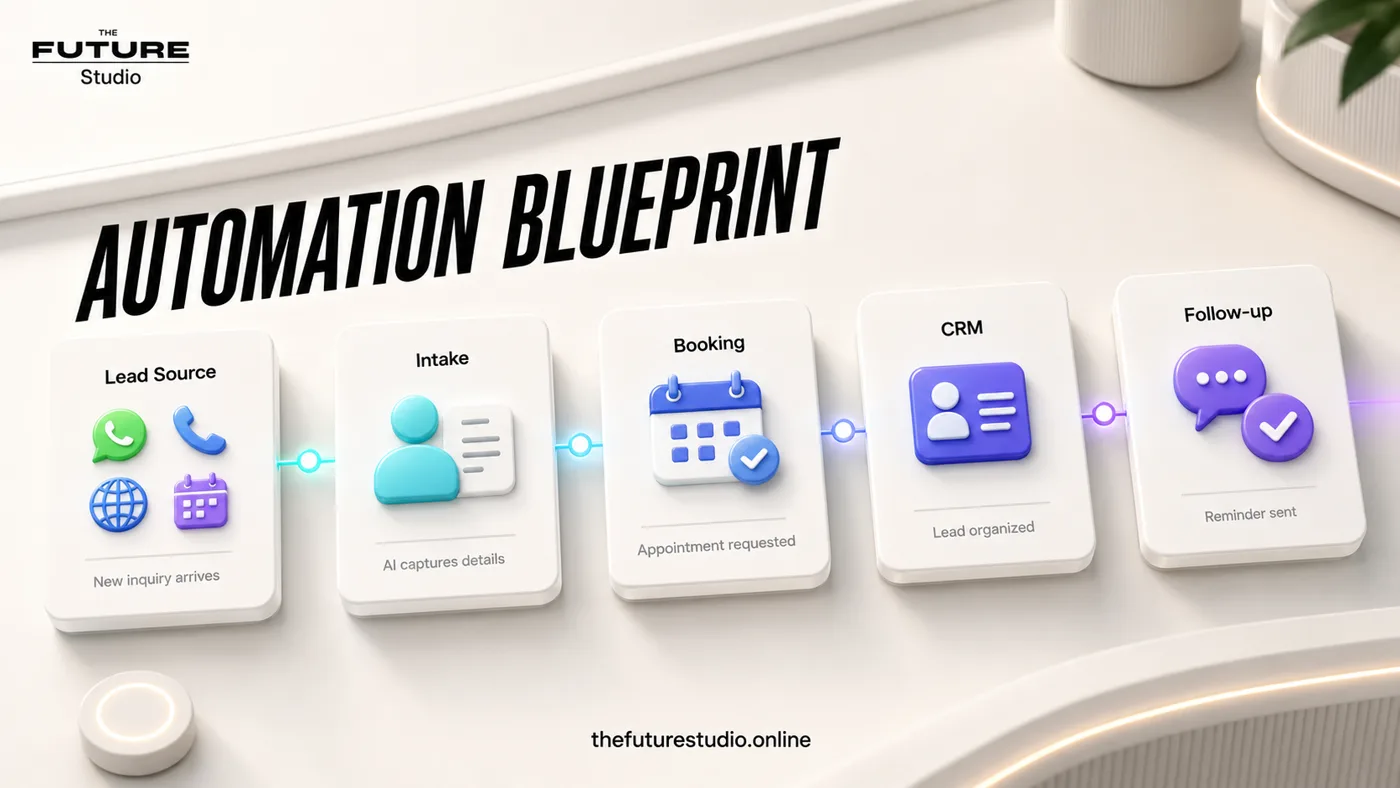
Handoff with context
Move the right chat to the right person before the conversation stalls.
Use case
Who the workflow is for
WhatsApp Handoff Automation is written for sales, support, and operations teams that start conversations in WhatsApp but need a person to take over at the right moment. The workflow addresses a specific operating problem.
WhatsApp handoff automation is the operating layer between first response and human follow-up. In practice, the issue is that messages get answered quickly at first, then stall because nobody owns the next step or the AI keeps talking after the buyer needs a human. That is why the content focuses on the working process, not generic AI claims.
Data
What the workflow should capture
The first system should capture intent, urgency, customer type, deal stage, language, owner, and the short summary a team member needs before replying. Those details should become a clear next action instead of staying trapped in calls, chats, inboxes, or staff memory.
The workflow also needs an operating trail: who owns the request, what has already been confirmed, what is due next, and what the customer should expect.
Handoff
Where people should stay in control
Human handoff should trigger on price objections, custom requests, complaints, negotiation, sensitive account issues, and any direct request for a person. The risk is letting AI continue after a person should take over.
This keeps the automation useful without making it reckless. AI handles speed, structure, reminders, and summaries; people keep judgment, trust, and sensitive decisions.
First build
What to build first
The first version should be one trigger list, one internal summary format, one owner assignment rule, and one follow-up message if the owner does not respond. A focused scope makes it possible to launch, measure, and improve without overbuilding.
Success should be measured through handoff time, owner response time, qualified chats, unresolved chats, and follow-up completion. The workflow should also avoid letting the AI keep answering when the conversation is already a sales or service decision, because a fast automation that damages the customer experience is not a win.
Example workflow
How this works in a real business
Picture an after-hours request that would normally sit unanswered. The workflow confirms the intent, organizes intent, urgency, customer type, deal stage, language, owner, and the short summary a team member needs before replying, and tells the customer what will happen next.
If the message includes price objections, custom requests, complaints, negotiation, sensitive account issues, and any direct request for a person, the AI changes mode. It stops trying to complete the path and creates a human task with enough detail to act.
The right starting point is one trigger list, one internal summary format, one owner assignment rule, and one follow-up message if the owner does not respond. That lets the team improve the process without replacing the whole operation at once.
FAQ
Common questions
Who is whatsapp handoff automation for?
It is for sales, support, and operations teams that start conversations in WhatsApp but need a person to take over at the right moment.
What should the first workflow collect?
It should start by capturing intent, urgency, customer type, deal stage, language, owner, and the short summary a team member needs before replying.
When should a person take over?
A person should take over when the conversation involves price objections, custom requests, complaints, negotiation, sensitive account issues, and any direct request for a person.
How should success be measured?
Measure handoff time, owner response time, qualified chats, unresolved chats, and follow-up completion, not just how many automated messages were sent.
What makes this workflow useful?
It solves a defined operating problem, collects the details the team needs, and produces a clear next action.
Related pages
Explore the related cluster
Next step
Map the first workflow that needs to work
Book a free AI systems demo with The Future Studio. We will map the workflow, the boundaries, and the smallest useful system to build first.